Olive Oil Packaging Design. Graza put premium olive oil in a plastic squeeze bottle and built a cult following.
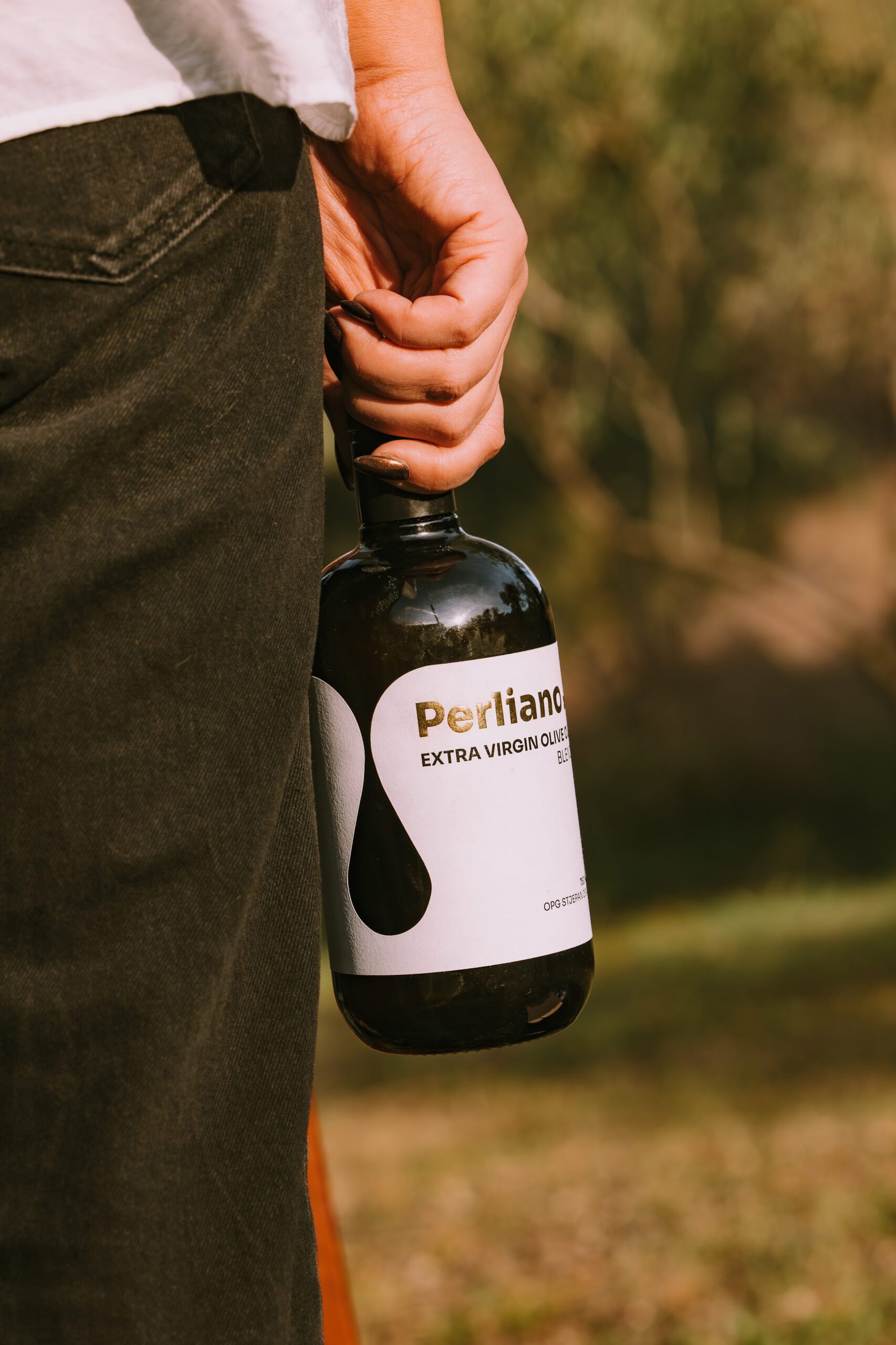
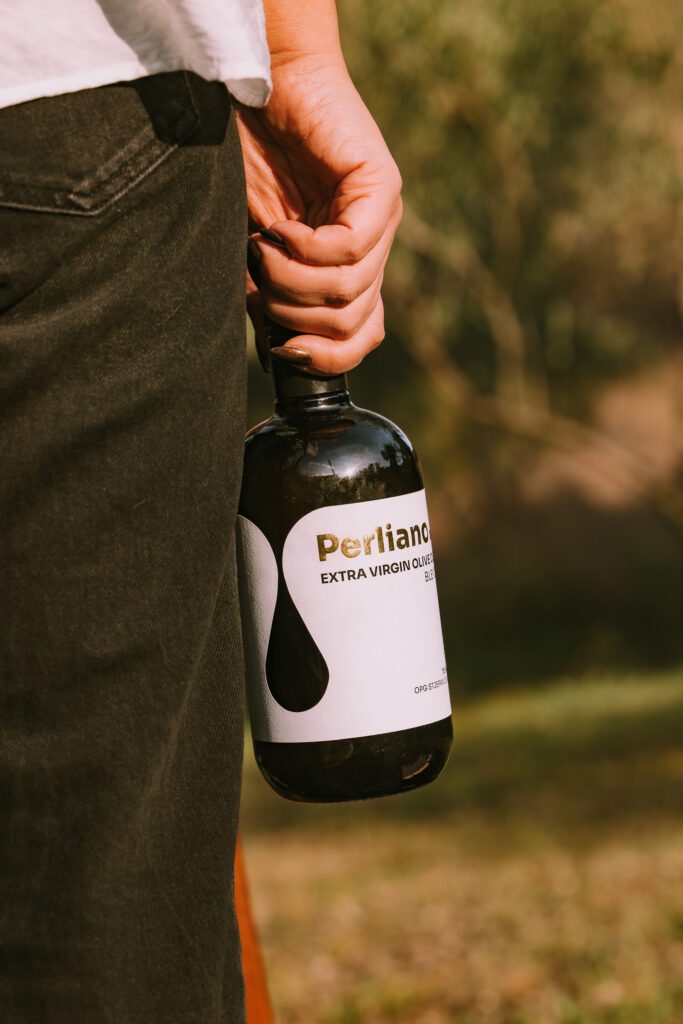
Perliano used dark glass, gold foil, and a considered label. Sold out in three weeks with no ads.
Two completely different approaches to olive oil packaging design. Both worked. That is exactly the point.
Packaging is not about finding the right aesthetic. It is about finding the right customer and designing entirely for them.
Most brands miss this. Here is why.
The Problem Nobody Talks About
Walk into any specialty grocer and study the olive oil section.
Dark glass. Tuscan hills illustration. Serif font. Gold or green. Maybe a wax seal.
Then the next bottle. Mediterranean coastline. Serif font. Gold or green. Maybe a ribbon.
The category is drowning in heritage visuals that all speak to the same imaginary buyer. Someone who appreciates authenticity, quality, and a connection to the land.
That buyer is theoretical. The real person standing in front of the shelf has a specific kitchen, a specific budget, and a specific reason for reaching toward one bottle over another.
Packaging that converts is built for that specific real person. Not for the idea of a premium buyer.
What Graza Actually Understood
When Graza launched with a plastic squeeze bottle, traditionalists had opinions.
No dark glass. No heritage serif. A bright green nozzle bottle designed to live on your counter and get used daily.
Their actual target was the food-curious home cook who watches recipe videos and treats olive oil as an everyday staple. That person bought it, posted it, and told everyone.
Graza did not design for the Italian nonno or the Croatian dido. They designed for someone who uses good oil the way previous generations used vegetable oil.
That is a strategic decision. Not a stylistic one.
What Perliano Did Instead
Perliano is a young Croatian founder with an exceptional product and no attachment to what olive oil packaging was supposed to look like.
That second part mattered more than anything.
The brief was not “make it feel premium.” It was “make it feel like him.” Young, considered, not cosplaying as an Italian heritage brand he has no connection to.
Every decision came from strategy:
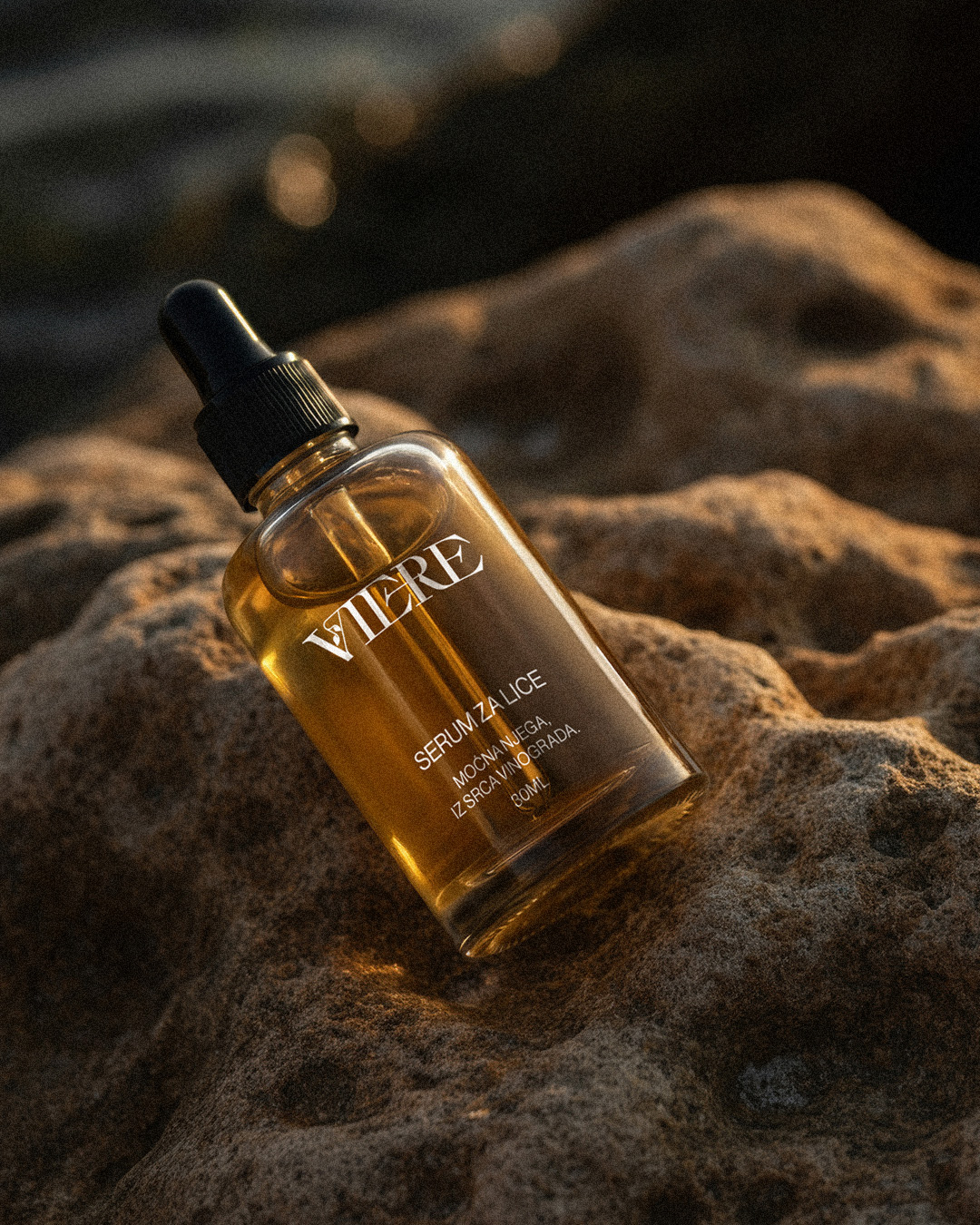
Dark glass protects the oil from light. Functional first, beautiful second.
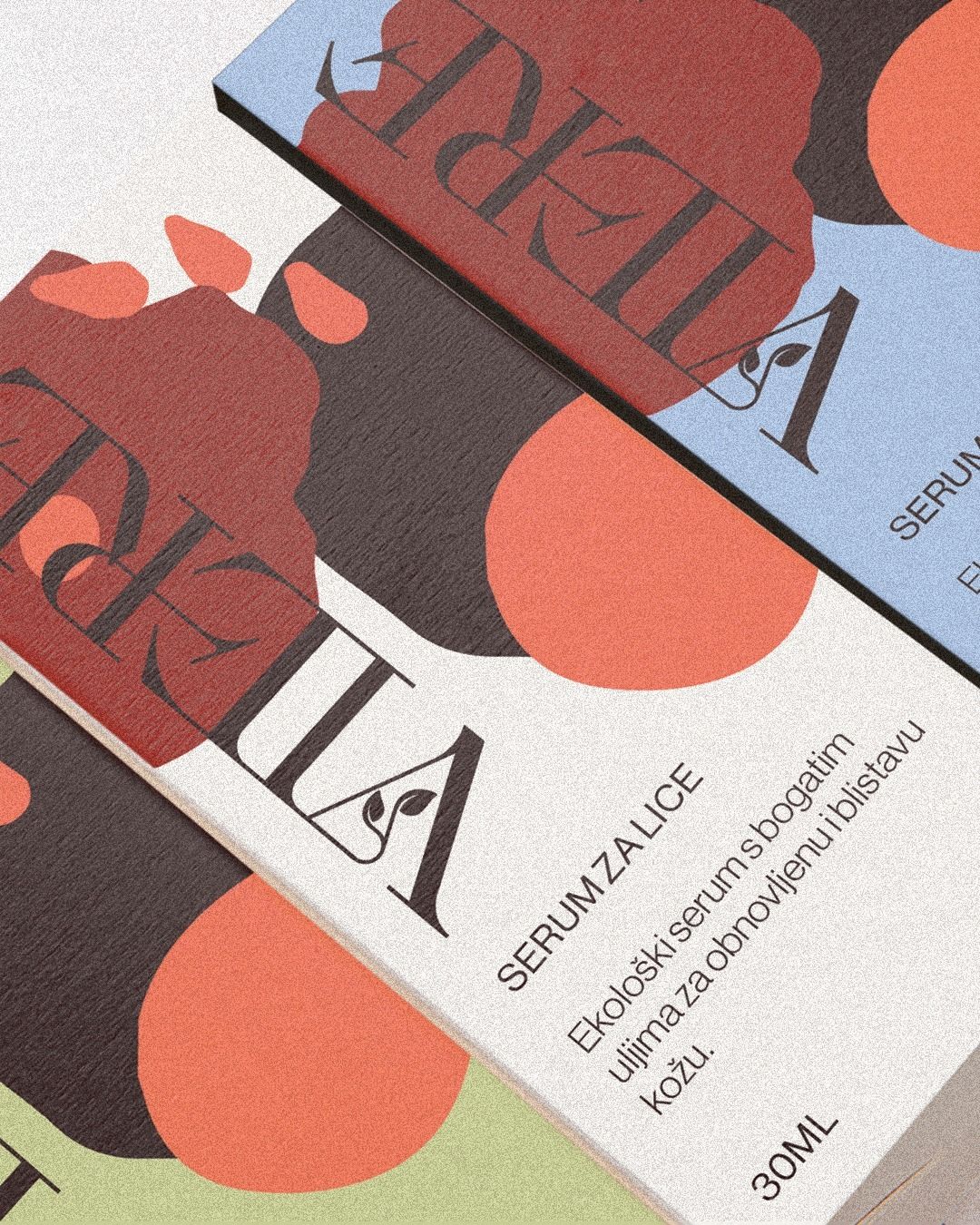
The label shape cuts into the bottle form rather than sitting flat on it, creating a window that reveals the glass itself as a design element.
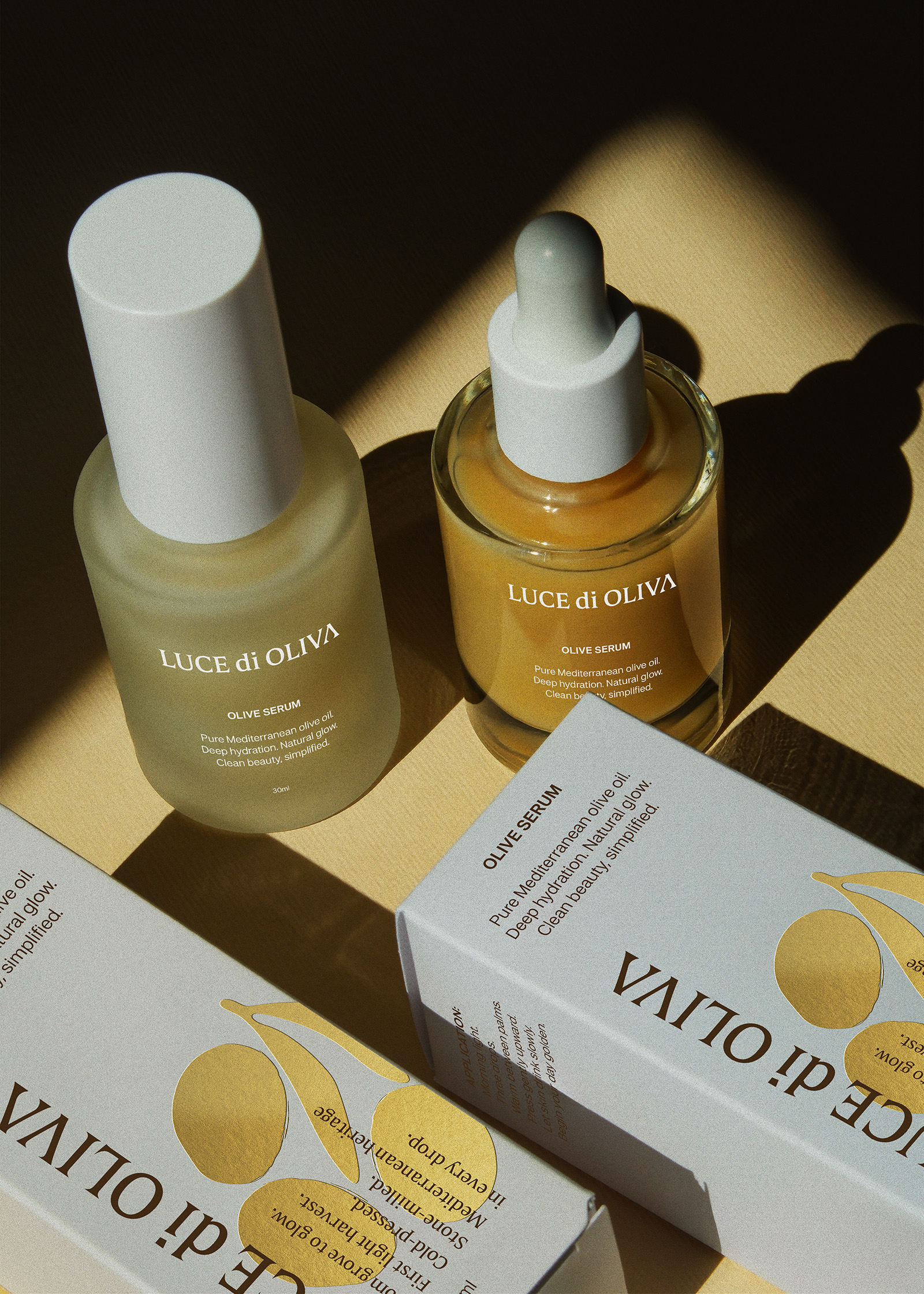
A gold foil mark taken from the church window overlooking his grove. Specific, earned, not decorative.
Paper weight chosen to feel considered in the hand. Because tactile signals fire before a single word gets read.
Sold out in three weeks. No advertising. Just the packaging doing its job.
The Mistake Most Olive Oil Founders Make
The most common brief I receive sounds like this: “I want it to feel premium and authentic.”
That is a category description. Every brand in the aisle wants exactly the same thing and briefing for it produces the Tuscan hills illustration every time.
The harder question is: premium and authentic to whom specifically.
A boutique hotel guest buying a souvenir has different expectations than a health-conscious millennial doing a weekly shop. Someone who already knows the difference between grades of olive oil reads packaging differently than someone buying their first quality bottle.
Each of those people has a different version of what premium looks like. Design for all of them and you get heritage sameness. Design for one real person and you earn a permanent spot on their counter.
The Second Mistake: Bringing Old Branding Along
Founders who arrive with an existing logo, often built in Canva or created before any strategy existed, and want the packaging to work around it almost always struggle.
Not because the logo is necessarily poor. Because it was created without knowing who it was for. Packaging built on a strategic void will feel slightly off. Not wrong enough to identify. Just off enough to not convert.
The packaging is not where you make your branding work. Strategy is where that happens. Packaging executes it.
What Good Olive Oil Packaging Design Actually Involves
A proper project starts with questions:
Who is actually buying this product, not who you hope will buy it.
Where will they first encounter it. On a shelf, online, at a market, as a gift.
What brands already live in their kitchen and earn their trust.
What this product stands for beyond the grove story.
From those answers, every visual decision follows. Container format, label structure, typography, finish, material weight, the experience of picking it up before it is opened.
The Perliano bottle looks the way it does because every element was specific and earned. That specificity is what makes someone pick it up and not put it back.
Ready to Design Yours?
If you are launching an olive oil brand, or relaunching one that is not performing, the right starting point is not what your packaging should look like.
It is who your packaging is for and what it needs to make them feel in three seconds.
Everything else follows from that answer.
Projects start at $9,000 USD. Strategy-led CPG packaging design for founders whose product is genuinely good but whose branding is holding them back.
See the full range of food and beverage packaging Back to CPG packaging design services
Studio Stoked works with food, beverage, skincare and wellness founders globally. Based in Zadar, Croatia.
+ view the comments