(And no, it’s not about picking a fancier font)
Your product is brilliant. Your passion is infectious. But your packaging… well, let’s just say it’s not doing you any favours.
You can’t hide behind the shelf whispering, “psst… mine’s better,” to someone in yoga pants, half-distracted, comparing labels while scrolling on their phone. Stapling yourself to every box to beg people to notice isn’t an option either.
Your packaging has to do the flirting for you.
Because whether they’re scrolling online or wandering the aisles half-thinking about dinner, your dream customers are making split-second decisions. They’re not just buying what’s best, they’re buying what looks worth it.
Why Your Packaging Isn’t Selling (Yet)
Hate to break it to you, but your dream customers aren’t psychic. They’re picking the brand that looks like it’s worth their money.
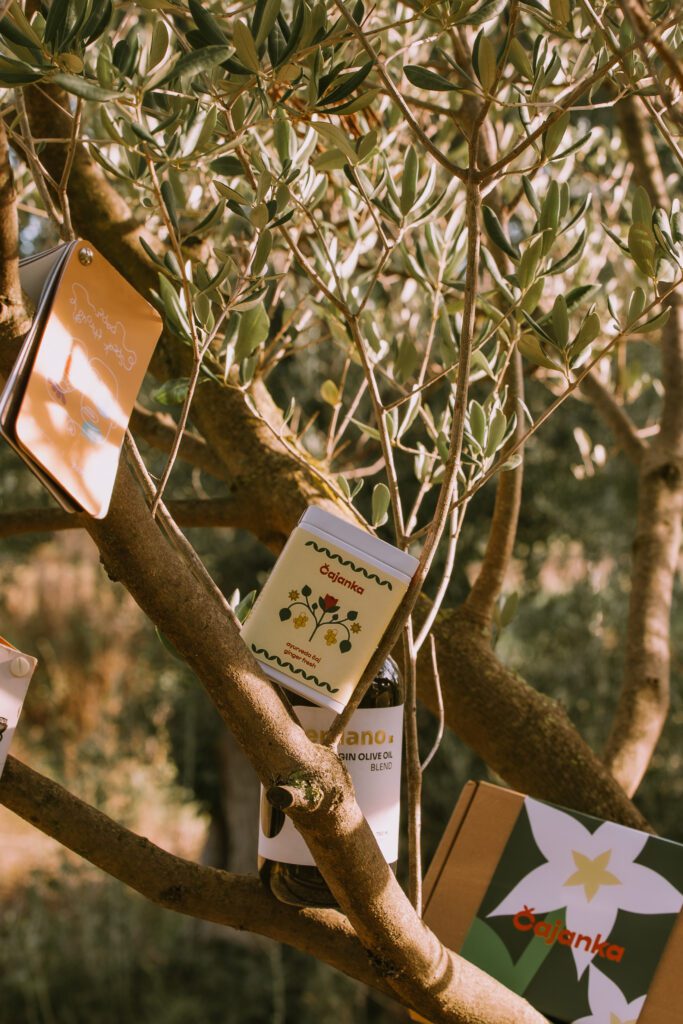
Right now, they’re walking past your product for one reason: your packaging looks fine. It’s not bad. But it’s not that one. The one that makes people reach out before their brain catches up. The one that earns a spot in their home, not just their cart.
Standing out isn’t about being loud. It’s about looking like the obvious choice, the one that feels premium, intentional, and totally them.
How to Actually Stand Out in a Crowded Market
Here’s what packaging that sells actually does, and how to start building it today.
1. Know who you’re actually trying to attract
If you’re trying to appeal to everyone, you’ll blend in with everyone.
Premium brands stand out because they’re not trying to convince bargain hunters. They’re talking to people who value taste, quality, story, and status. Ask yourself: who is this really for? What do they want to feel when they pick this up? What other brands are they loyal to?
Once you know that, your design, tone, and materials should mirror their world, not yours.
Picture this: you’re not selling biscuits to budget shoppers. You’re designing the pantry staple for someone who alphabetises their spices and buys wine with tasting notes. Talk to them.
2. Dare to be different with your format
Your competitors are probably all using the same tired packaging format. That’s your golden opportunity.
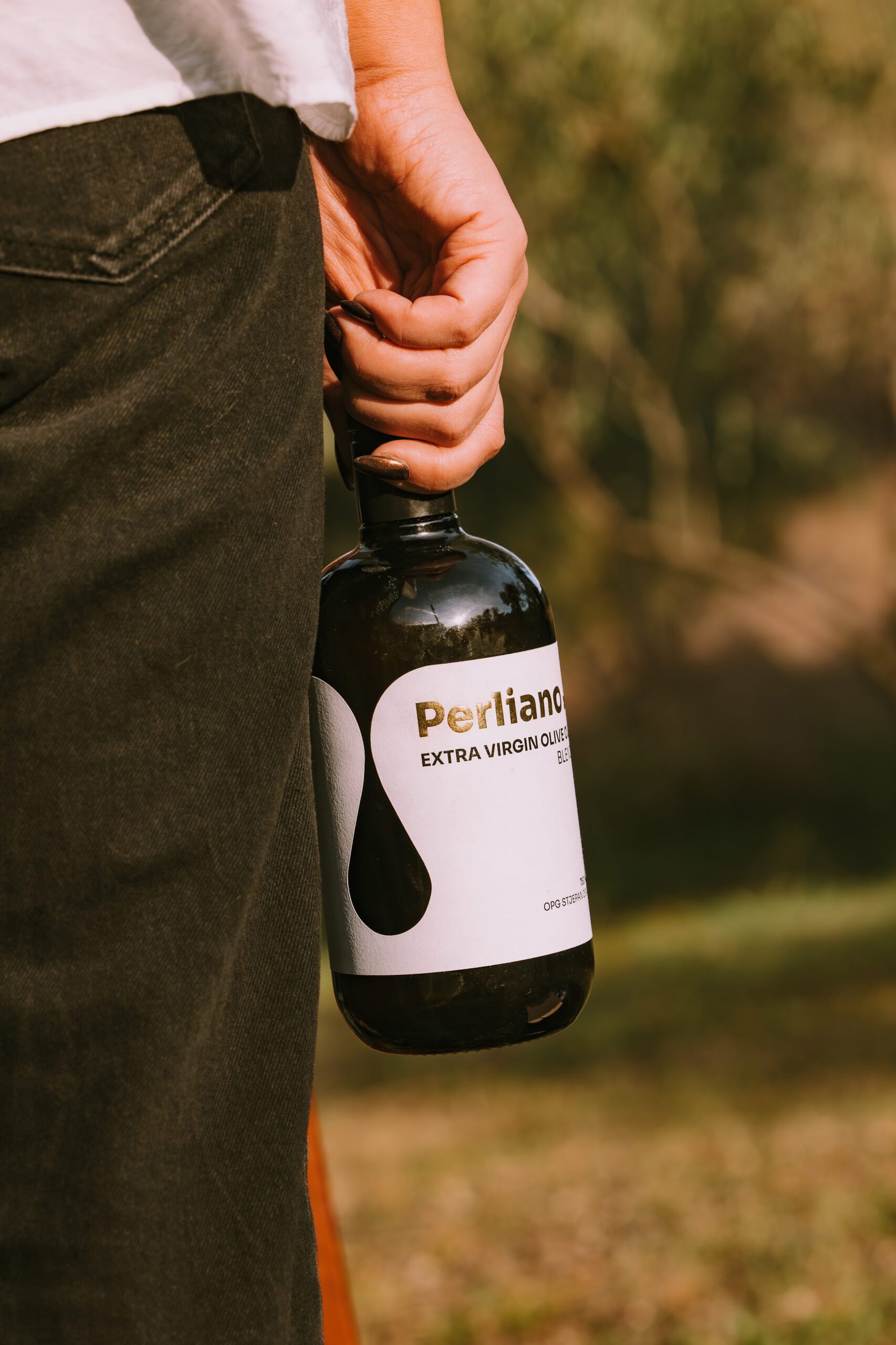
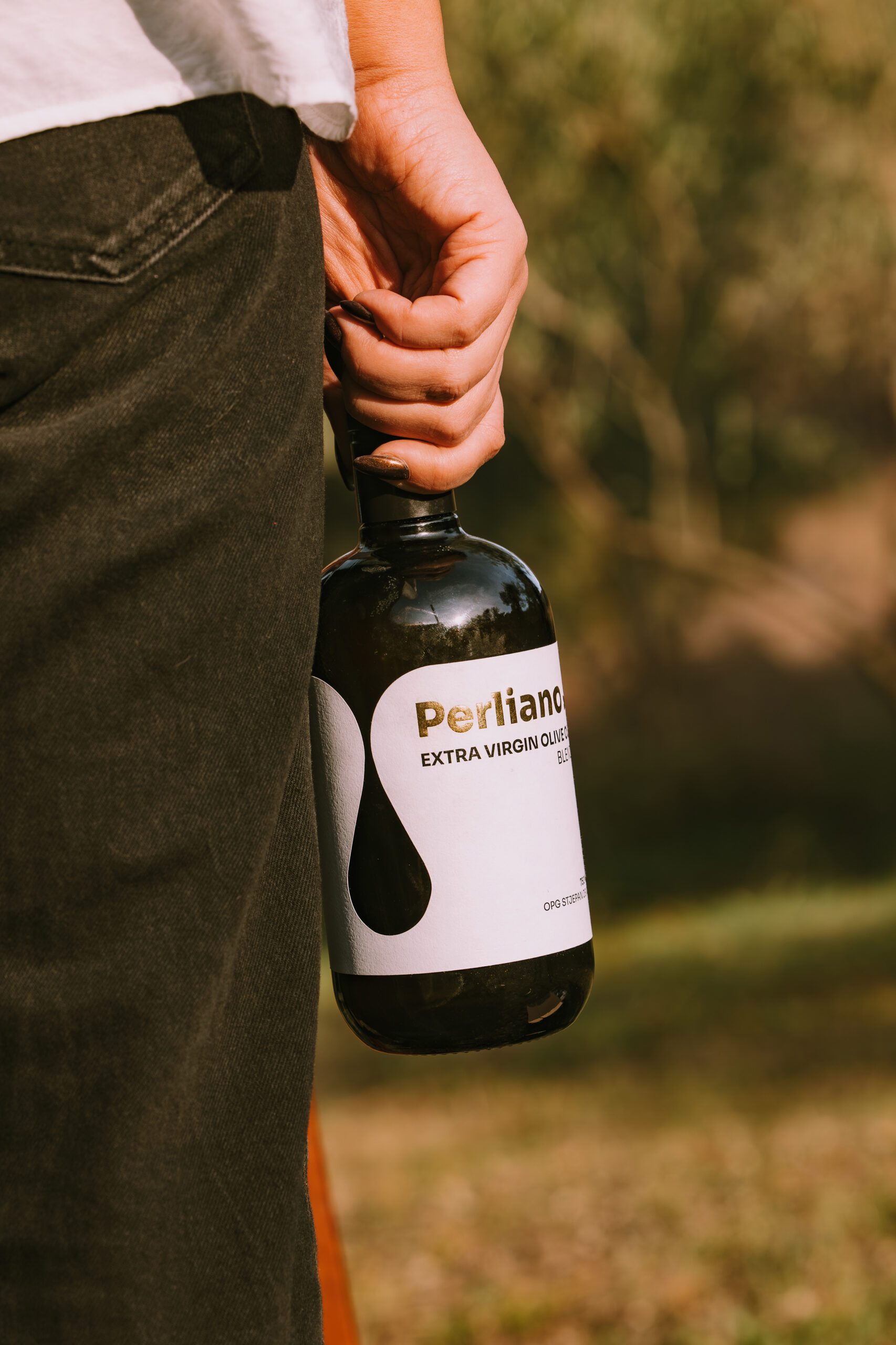
While everyone else puts detergent in plastic jugs, what if yours came in a sleek cardboard box? While other supplements hide behind amber bottles, what if yours came in a minimalist tin? And while every protein powder screams from a plastic tub, what if yours whispered from craft paper?
Different formats don’t just catch the eye, they signal different values. Cardboard says sustainable. Glass says premium. Metal says lasting. Paper says artisanal.
Look around your shelf: are you blending in or breaking the mould?
3. Borrow from the right category
Your competitors are all copying each other. Great news for you.
Instead of swimming in the same design soup, borrow cues from where your audience already spends their money. Pet brand targeting premium buyers? Study home fragrance, lifestyle, skincare. Food brand? Look at boutique wine, hotel-grade pantry goods, luxury condiments. Beauty? Pull inspiration from wellness, interiors, and hospitality.
Blend in with your buyer’s lifestyle shelf, not your competitor’s.
4. Make one bold decision
Most packaging fails because it’s designed by committee. Every colour, font, and photo is “fine.”
Fine doesn’t sell.
Pick one bold decision, oversized typography, a hero colour, a clever line, or a texture that begs to be touched, and commit to it. Consistency reads as confidence, and confidence sells. If you’re scared it’s “too much,” it’s probably just right.
Take a look at how Studio Stoked approaches packaging design if you want to see what a bold, committed design decision looks like in practice.
5. Design for display, not the bin
If your packaging ends up hidden in a drawer, you’ve missed the moment.
Premium brands design packaging people want to keep. Ask yourself: would someone display this on their counter? Does it photograph well? Does it look expensive next to everyday items? If the answer’s no, start there.
Because when someone keeps your beautiful jar long after the last drop is gone, you’ve transcended product. You’ve become part of their lifestyle.
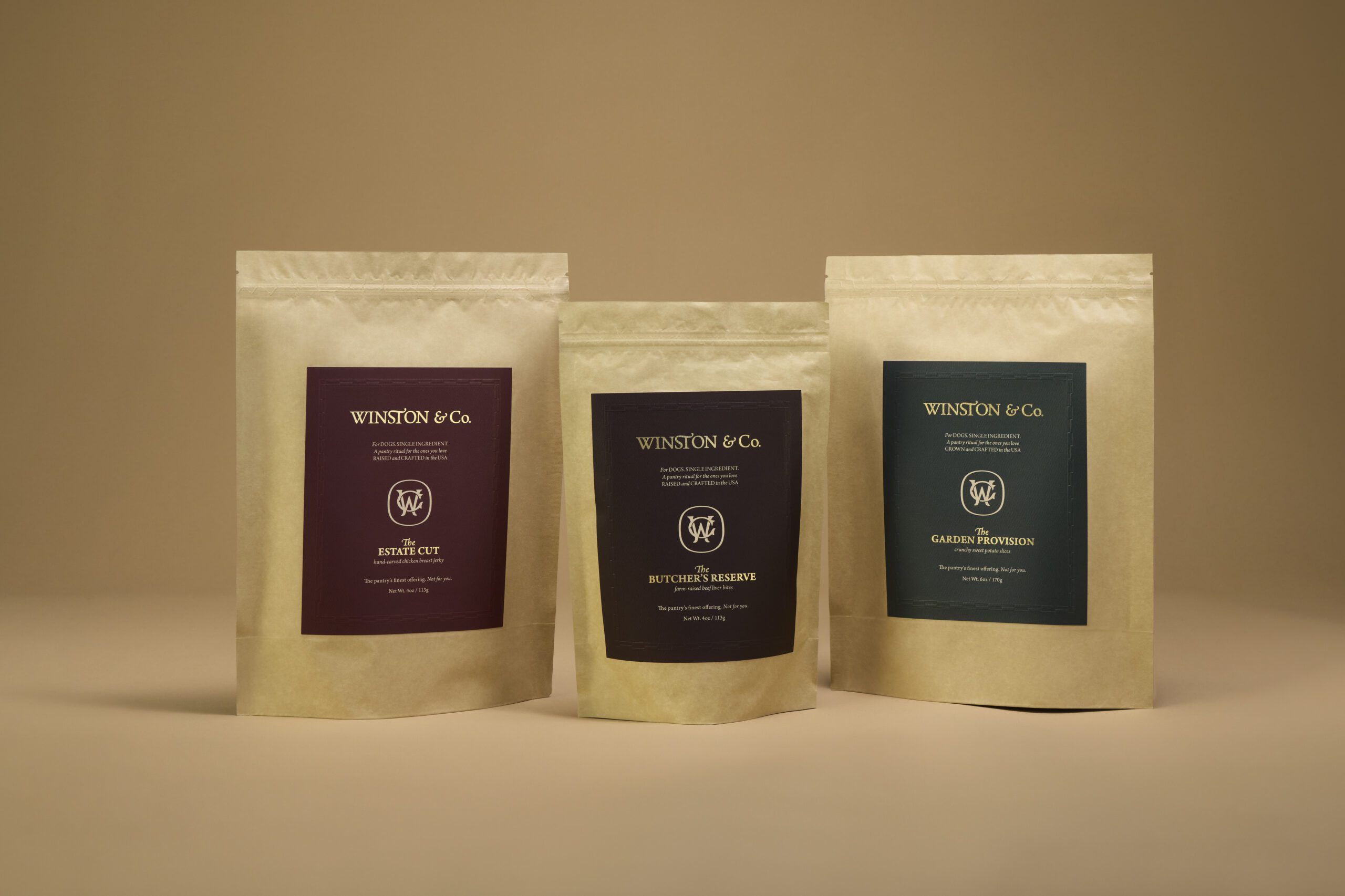
See how this played out for Winston & Co, where customers started displaying empty pouches as shelf decor.
6. Tell a story that sells you
People don’t just buy products. They buy permission.
Permission to spoil their dog. To cook like they’re on holiday. To spend extra and feel proud, not guilty. If your packaging only lists ingredients and features, it’s missing the emotion entirely. Premium brands tell stories that feel like identity.
Your packaging should whisper, “this is exactly what you’ve been looking for.”
The Real Reason You’re Not Standing Out
Your dream customers are choosing competitors who simply look more ready. More premium. More “this belongs in my life.” Not because their product is better, but because their packaging makes a better first impression.
What Happens When You Get This Right
My clients have gone from competing on price to commanding it.
One dog treat brand now charges $25 per pack and customers happily pay it. Another moved beyond their webshop hustle and landed placements in boutique hotels, restaurants, and cafes. That’s what happens when your packaging finally matches your product quality. People stop seeing it as a commodity and start seeing it as the premium choice it always was.
Ready to Stop Blending In?
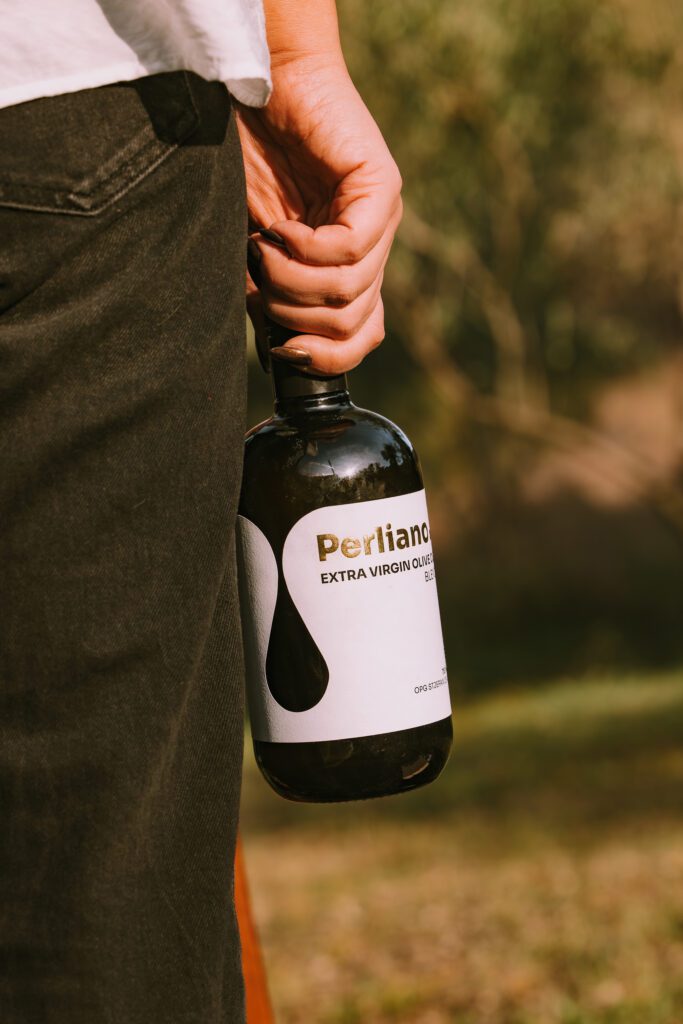
If your product deserves better than being the “almost” choice, let’s talk.
I help ambitious brands create packaging that commands premium prices and builds genuine loyalty, the kind where customers choose you first, not last. See the full range of packaging design services here.
+ view the comments