Why Your Rebrand Didn’t Increase Sales. You rebranded. New logo, fresh colours, a designer who delivered something that looked the part. Sales did not move.
Here is the uncomfortable answer. A rebrand to increase sales fails when it changes how the product looks without changing who the product is for. You repainted the house. The foundation was the problem.
Most failed rebrands share the same root cause. There was no strategy underneath the design. There was a mood board, a ChatGPT-shaped brief, and a designer who executed instructions without asking the only question that matters. Who is actually going to buy this.
The reason your rebrand didn’t work
Design is the last step, not the first one. When founders skip the thinking and go straight to the visual, they hand a designer a Pinterest board and a vibe. The designer makes it pretty. Pretty was never the issue.
A new look cannot fix a positioning problem. If the brand is speaking to the wrong person, or speaking to everyone, a beautiful redesign just makes the same mistake in nicer fonts.
This is the part nobody enjoys hearing. The rebrand probably looked great. It still did not sell, because looking great is not the job. Selling to a specific person who is ready to buy is the job.
“Women 22 to 45” is not a strategy
Here is the most common failure I see, and it is a failure of nerve.
Founders are scared to niche down. So when you ask who the customer is, you get “women, 22 to 45.” That is not an audience. That is a population. You have described nearly everyone and committed to no one.
A wide net feels safe. It catches nothing. When you try to speak to everybody, the design has to stay generic enough to offend no one, and generic does not sell at a premium. The brands that win pick a narrow, specific buyer and build everything around her. That takes confidence, because narrowing down feels like turning customers away. It does the opposite. It earns the right ones.
If your strategy could describe half the country, you do not have a strategy. You have a fear of choosing.
What buying actually looks like
Let me show you the difference with a real category. Scalp serum for hair growth.
A pretty-first designer sees “hair product” and reaches for soft, aspirational, feminine. Nice imagery. Pleasant feeling. Wrong buyer.
Here is who actually buys a hair growth serum. Someone dealing with hormonal hair loss, or postpartum shedding, or a thyroid issue. She is worried. She has already bought the expensive thing that promised results and did nothing. She feels burned and doubtful. Before she trusts another product, she reads the ingredient list, because the last one let her down.
That is a completely different brief. The buyer is not aspirational. She is sceptical. She does not need to feel pampered. She needs to believe this one will work when the last one did not.
You cannot reach that person with a Pinterest board. You reach her by understanding what triggered the purchase, what she has already tried, and what she is afraid of. Strategy surfaces that. A mood board never will.
Warm, but credible
Once you know who she is, the design decisions make themselves.
She is not looking for something cold and clinical. Clinical reads like another product that will not work. She is also not looking for something that burns sage and chants at the moon. Too witchy reads as unserious to someone managing a real medical concern.
The answer sits in the middle. Warmth without going full botanical. Credible without going sterile. That is a positioning call, and it changes everything downstream: colour, type, tone, the claims you make and the ones you cut.
No designer arrives at that from aesthetics alone. It comes from the strategic work that happens before anyone opens Illustrator. This is exactly the depth I go into before design starts, and it is the difference between a rebrand that looks finished and one that performs.
What strategy-first actually produces
This is not theory. This is what happens when the strategy leads and the design follows.
- A client raised prices by 39 percent since launch.
- An oil client raised his prices and the brand held.
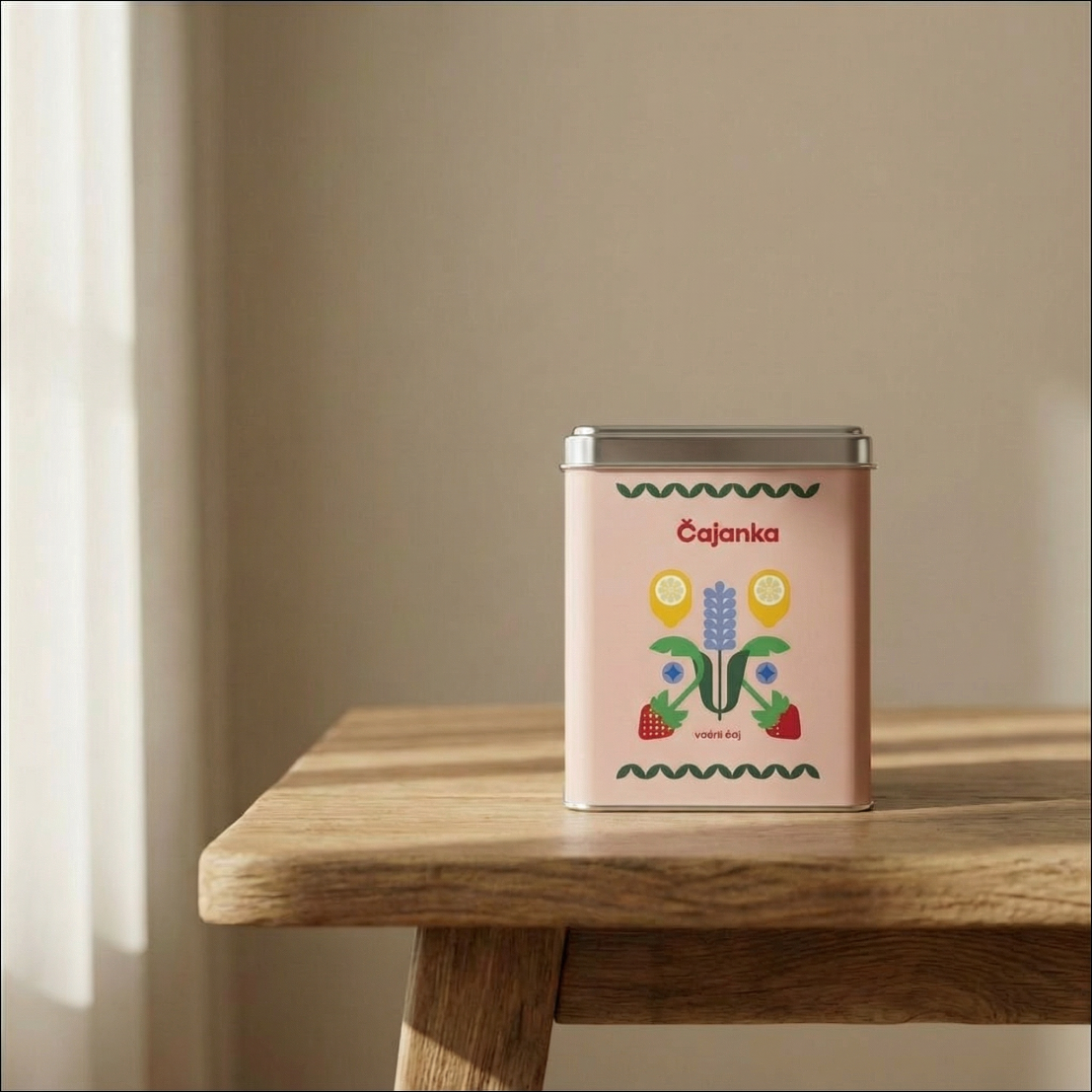
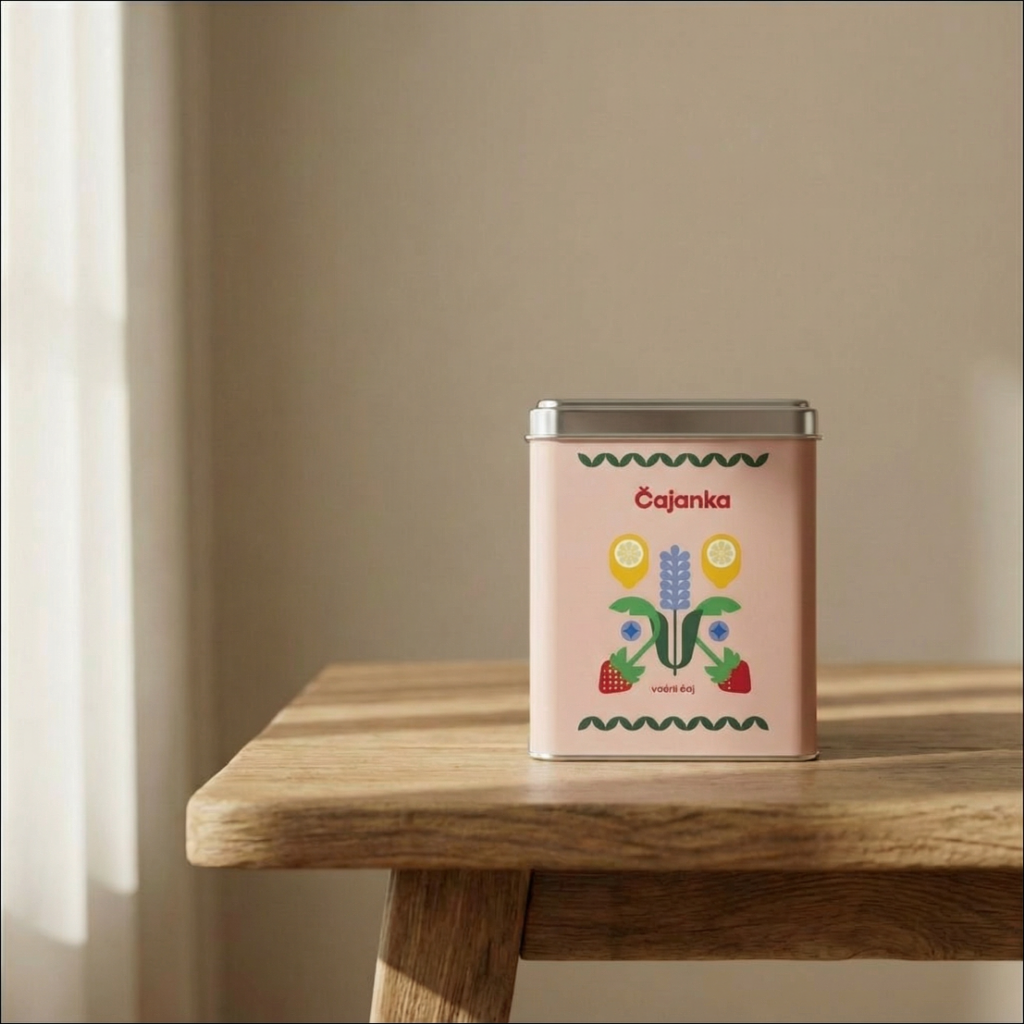
- A tea client landed in boutique hotels instead of leaning on web shop sales alone.
Here is the line that should matter most to you. None of them are paying for ads. Anywhere.
That is the whole argument. When the brand is built on a clear strategy and aimed at a specific buyer, the product sells without ad spend propping it up. If you are currently burning money on ads to compensate for a brand that does not convert on its own, that is the cost of skipping strategy. You are paying for the gap every month.
So what actually increases sales
A rebrand increases sales when it starts with the buyer, not the visual.
That means deciding who you are for before you decide what you look like. It means narrowing down until the person is specific enough to design for. It means understanding what triggers the purchase, what the buyer has already tried, and what she needs to believe. Then, and only then, the design gets made, and it works because it is pointed at a real person who is ready to buy.
Skip that, and you get a prettier version of the brand that already was not selling. Do it properly, and you stop needing ads to do the brand’s job.
FAQ
Why didn’t my rebrand increase sales? A rebrand fails to increase sales when it changes the visuals without changing the positioning. If the brand still speaks to the wrong buyer, or to everyone, new colours and a new logo will not move the numbers.
Is rebranding worth the cost? Rebranding is worth it when strategy leads the work. A strategy-first rebrand can support higher pricing and reduce reliance on paid ads. A purely visual rebrand usually repeats the original mistake at a higher cost.
Why is “women 22 to 45” a problem as a target audience? It describes almost everyone, which forces the brand to stay generic. Generic does not sell at a premium. A specific, narrow buyer lets the design speak directly to the person most ready to purchase.
Should design or strategy come first in a rebrand? Strategy comes first. Design is the final step that translates a clear positioning into something people can see and buy. Starting with design means guessing at the buyer instead of understanding her.
Thinking about a rebrand and want it to actually move sales this time? Look at the work I have done, see how I price full-scope projects, or book a call.
+ view the comments