How to Find the Right Packaging Designer (Without Getting Burned). You’ve built something worth talking about. Now you need packaging that makes a stranger on a shelf (someone rushed, distracted, and spoiled for choice) reach for yours first.
The wrong designer will cost you a lot more than their invoice. Here’s how to avoid them.
Their portfolio should show results, not just taste
Pretty work is the entry ticket. What you’re really shopping for is proof it worked.
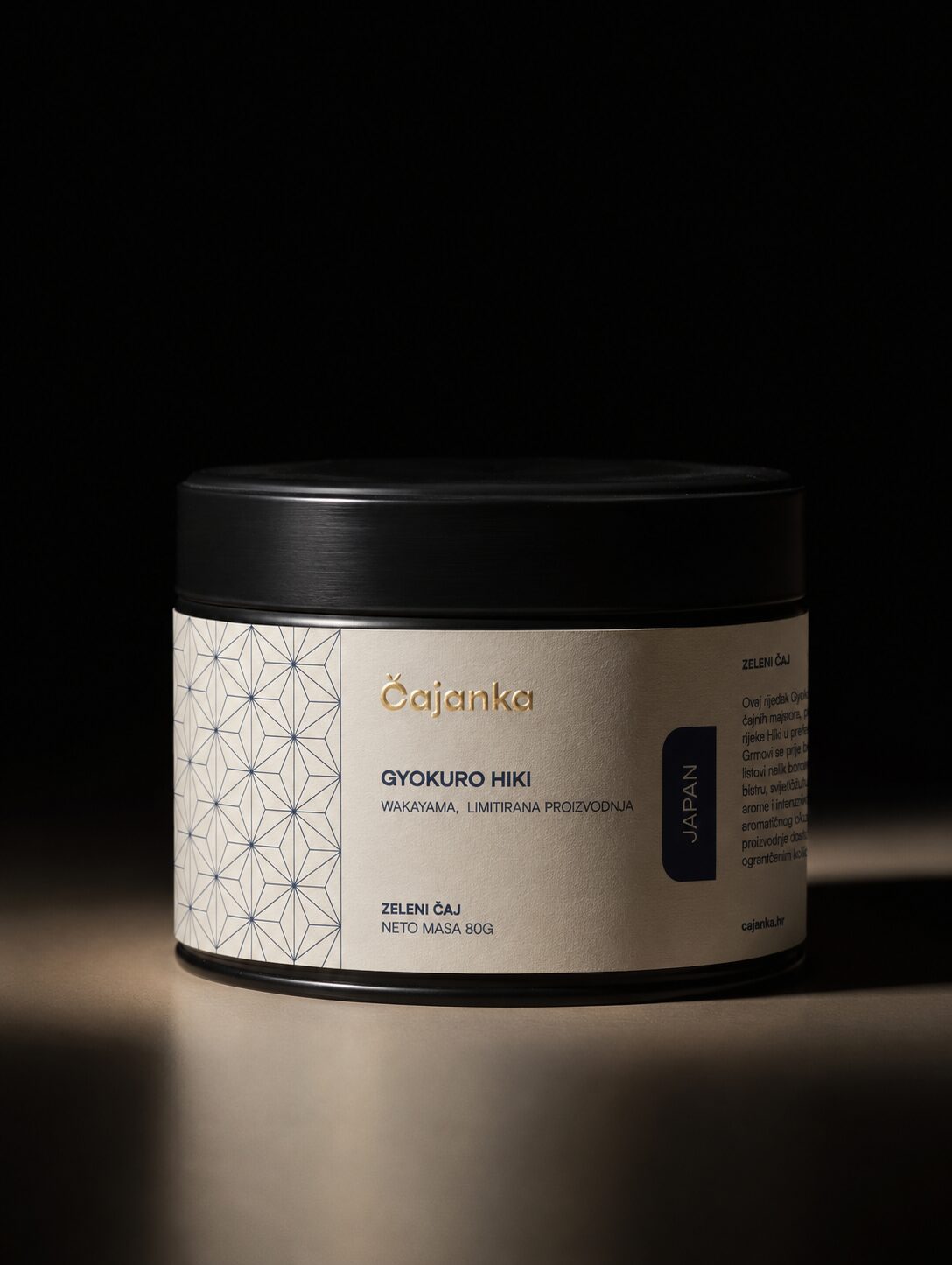
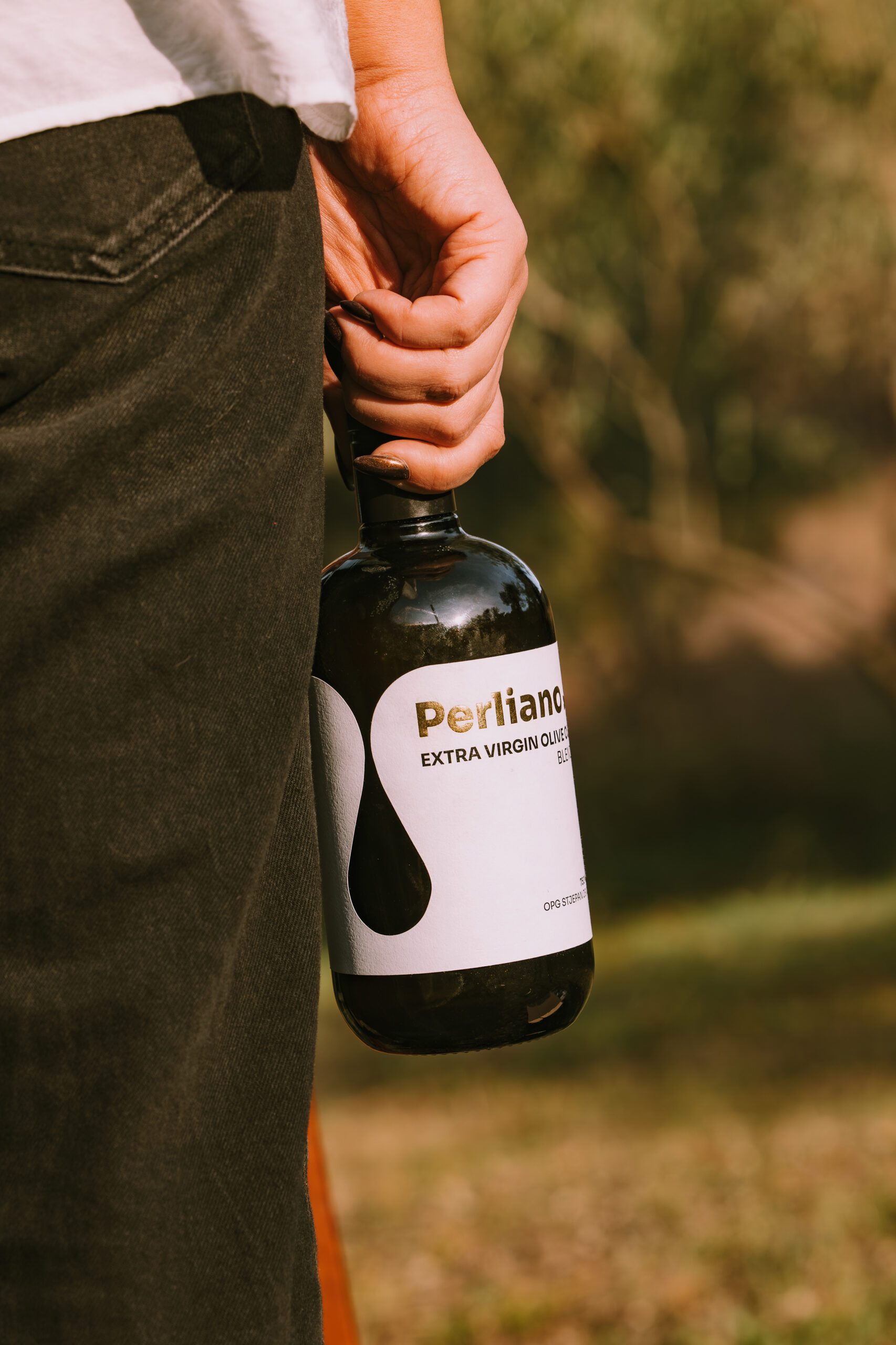
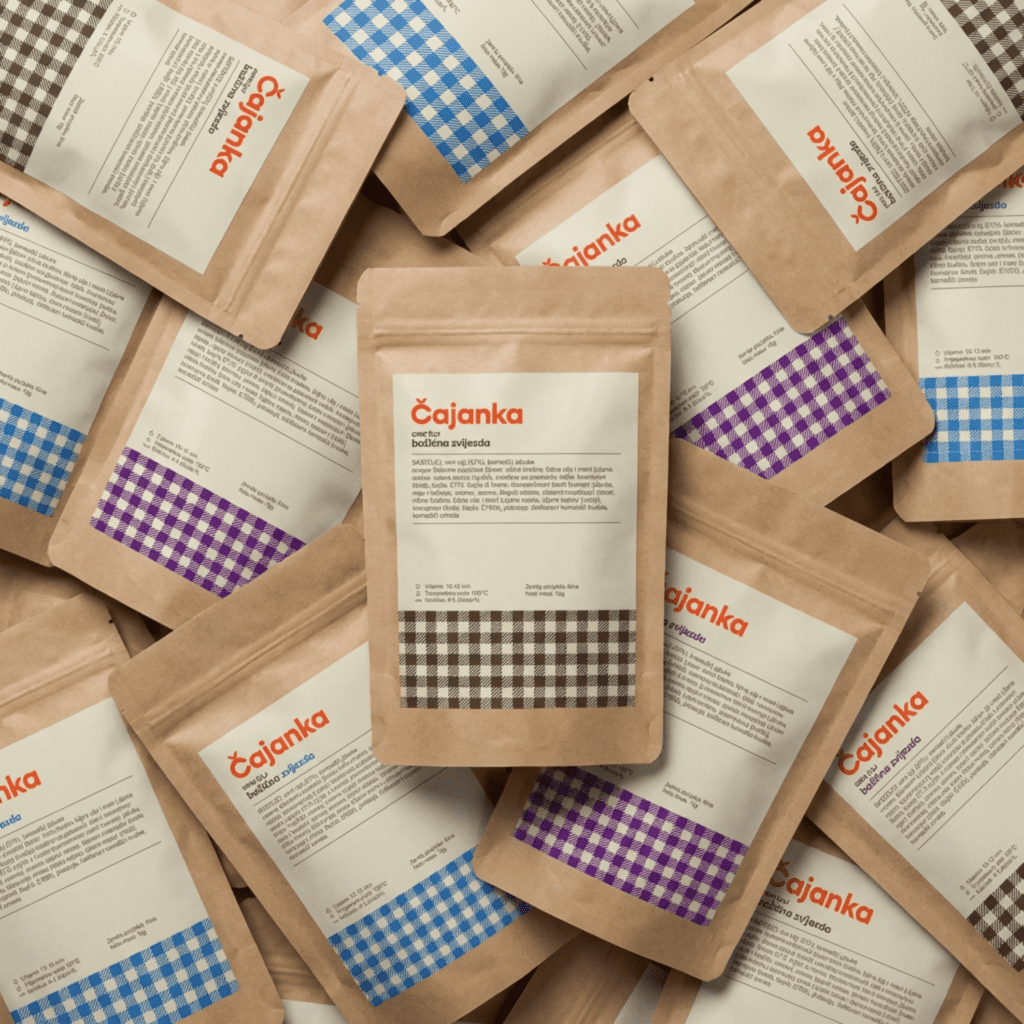
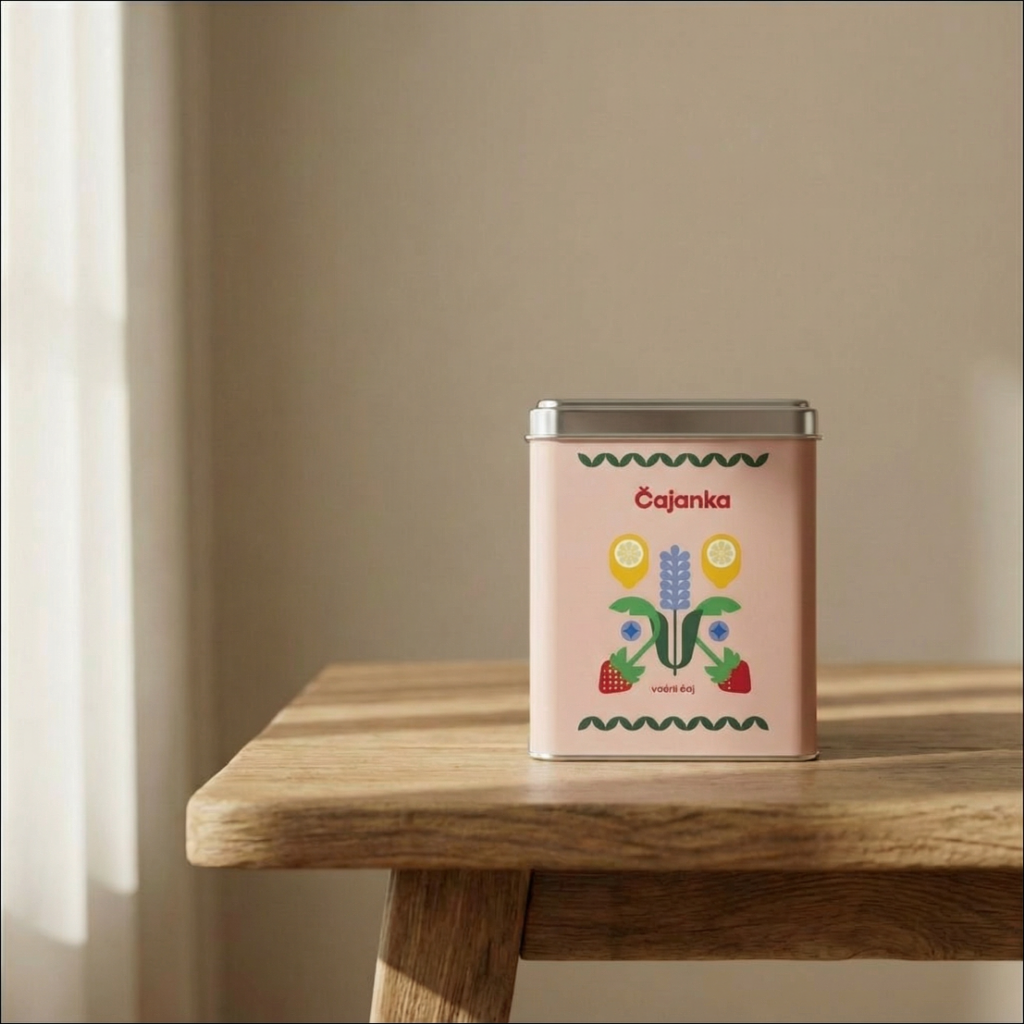
Čajanka came to me with a Canva logo and a problem: how do you earn shelf space in boutique hotels and Zagreb’s most respected restaurants? They got there. Winston and Co raised their retail price 200% within six months. Another client sold out in three weeks without a single ad.
That’s what packaging strategy looks like when it’s working. If a designer can show you beautiful work but can’t tell you what happened after, that’s a hobby. Not a business investment.
See the work and what it delivered →
A yes-person is the most expensive hire you’ll ever make
The right designer will make you slightly uncomfortable in the first call. Good. That’s the job.
They should be asking who is actually buying your product, what you’re charging, where it lives on shelf, and why someone should reach for yours over the thing sitting right next to it. They should challenge your assumptions before they open Illustrator, not after you’ve printed 5,000 units.
If the first call is mostly nodding and “totally, we can do that”, that’s not enthusiasm. That’s someone who will hand you back exactly what you asked for, minus the things you didn’t know to ask for.
Work with someone who’ll tell you what you need to hear →
“Women aged 25 to 45” will get you a very average result
Because it’s half the planet and it tells a designer precisely nothing.
It doesn’t explain what she buys, what she’s tired of seeing, what she’d pay more for, or what would make her stop mid-scroll. The briefs that produce sharp work sound more like: wellness-obsessed founders who’ll spend $80 on a magnesium supplement but agonise over a $6 coffee. Now there’s something to design towards.
Vague in, vague out. A good designer will interrogate your brief until it becomes useful. Let them.
Mood boards are a trap
Not because Pinterest is evil. Because a mood board tells your designer what YOU like.
Your customer doesn’t care what you like. They care whether your product feels worth the price the second they see it. Those two things are sometimes the same. Often they’re not. It’s your designer’s job to know the difference before a single thing gets made.
The right process starts with your category, your competitor, and your customer. Not your saved posts.
They should know what things actually cost to print
This is where stunning portfolios fall apart in the real world.
Foil stamping, embossing, soft touch lamination, a ribbon pull. All gorgeous. All potentially margin-destroying if your designer has never had to justify them to a manufacturer. The right designer knows when a finish earns its cost and when it’ll make your box more expensive than what’s inside it.
They should be talking to your printer so you don’t have to. They should know what’s achievable at your volume before they fall in love with an idea.
Beautiful on screen. Buildable in real life. Non-negotiable.
See what’s possible when strategy meets production knowledge →
Hi, I’m Marta
If you’ve read this and thought this is the designer I need, then hi, hello, yes.
I design brand identities and packaging for CPG founders in food, skincare, wellness and pet who are ready to charge what their product is actually worth. I ask uncomfortable questions, I know my print specs cold, and I work with a limited number of brands each year because good work takes time and I refuse to phone it in.
If you’re building something with real retail ambition, let’s talk.
+ view the comments