If you’re launching a product, one of the most important (and most ignored) questions is: how much should printing and packaging actually cost? Not what looks good on Pinterest. Not what your mood board says. What makes sense for your product, your price point, and your profit.
Because beautiful packaging that bankrupts you is still a failure. It’s just a well-dressed one.
The Cost of Printing Your Product: The Part Everyone Avoids
Everyone loves talking about finishes. Foil. Emboss. Custom die-cuts. Thick paper. Ribbons. Drama.
No one wants to talk about unit cost.
Here’s the reality: the cost of printing your product packaging must be aligned with your retail price. If those two things are in different universes, your margins will suffer and your accountant will quietly hate you.
If you’re selling a $12 product and your packaging costs $4–$5 per unit, you don’t have a luxury brand. You have a math problem.
Most Packaging Mockups Never Go to Print
This might sting, but it needs to be said.
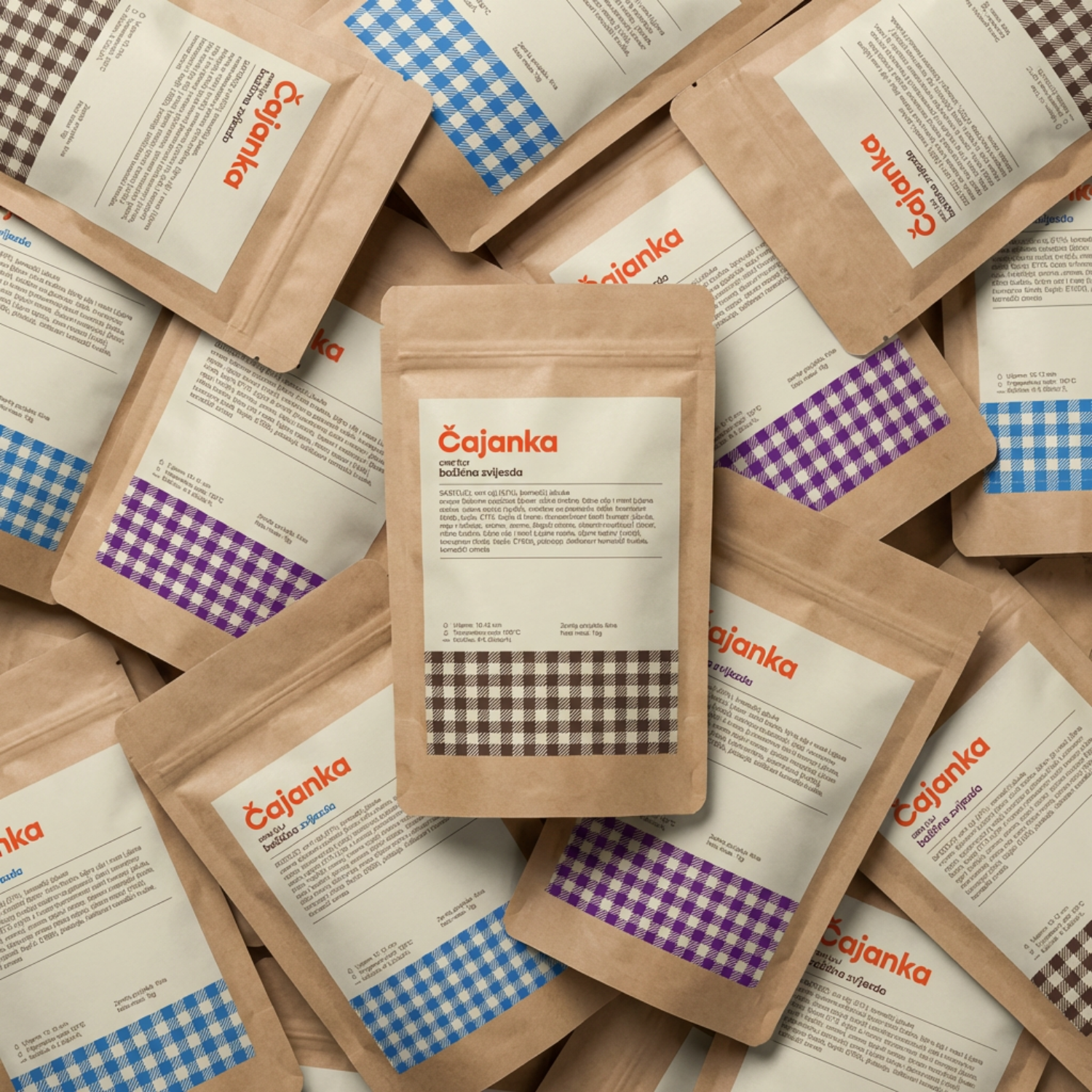
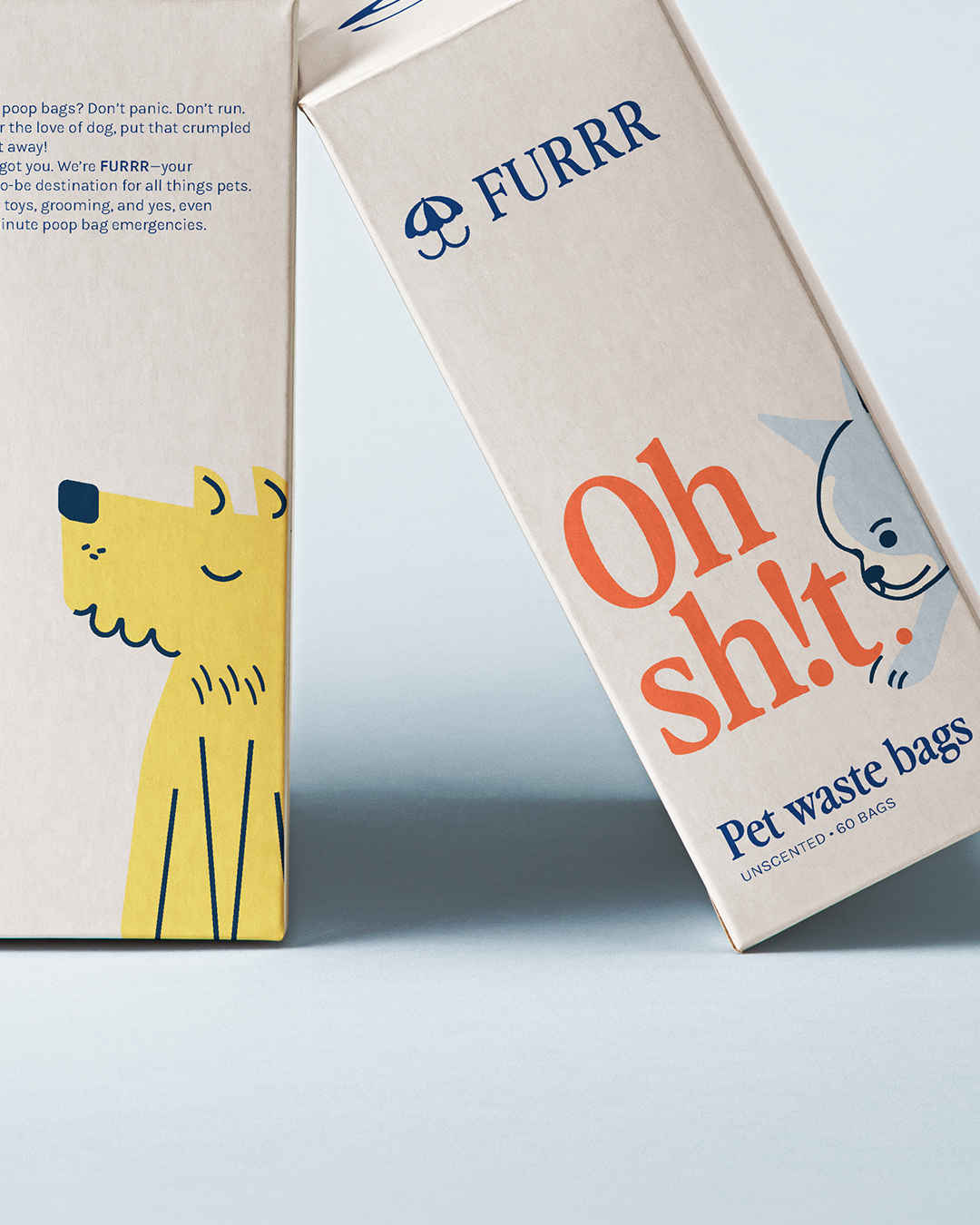
A lot of the packaging you see online never went into production. It’s a mockup. A concept. A design exercise with zero interaction with a printer.
Think concept car energy. Gorgeous. Impractical. No one’s commuting in it.
Real-world printing budgets involve constraints. Minimum order quantities. Tooling costs. Shipping. Assembly. Lead times. And yes, budgets that don’t care about your feelings.
How to Set a Printing Budget (The Actual Formula)
Here’s the formula every product-based business should use when setting a packaging and printing budget.
- What are you selling?
- How much does it retail for?
- What profit do you need to make per unit?
Now work backwards.
Not emotionally. Numerically.
Your maximum packaging cost per unit is whatever is left after product cost, logistics, fees, and your desired margin. Not what feels premium. Not what your competitor did. What the numbers allow.
Printing Budgets by Price Point (Let’s Be Honest)
This is where dreams get edited.
A lower-priced product requires simpler, smarter packaging. Clean structure. Thoughtful materials. Fewer finishes. No unnecessary tooling.
A higher-priced product gives you room to add tactility, texture, and a bit of theatre.
Price decides the outfit.
If you ignore that, your packaging may look expensive while your margins look tragic.
What to Look Out for When Budgeting for Packaging
A few red flags to watch for when discussing printing and packaging costs:
- Custom dielines for tiny runs (tooling will eat you alive)
- Too many finishes stacked together (each one adds cost)
- Designs that only work digitally, not physically
- No discussion of minimum order quantities
- No discussion of alternative materials or structures
If the conversation never turns to production realities, that’s a problem.
What a Good Packaging Designer Should Actually Do
A good packaging designer is not there to impress Instagram. They’re there to protect your business.
They should:
- Kill bad ideas early, even if they look good
- Explain trade-offs clearly and without ego
- Design for printers, not Pinterest
- Offer 2–3 realistic packaging options within budget
- Help you spend money where it actually matters
If your designer isn’t talking about cost, constraints, and production, you’re not buying strategy. You’re buying vibes.
Final Thoughts on Printing Budgets
Good packaging design is balancing:
- looking good
- doing its job
- not destroying your margins
Harder than it sounds. Ask your profit margin.
Before you commit to foils, embossing, or custom boxes, get clear on your numbers. Save the drama for when it actually makes financial sense.
If you want packaging that looks premium and survives contact with reality, that’s the job.
And if you’re about to emboss yourself into debt?
+ view the comments